Hungary’s Casino Concession System Shapes Digital Gambling Future
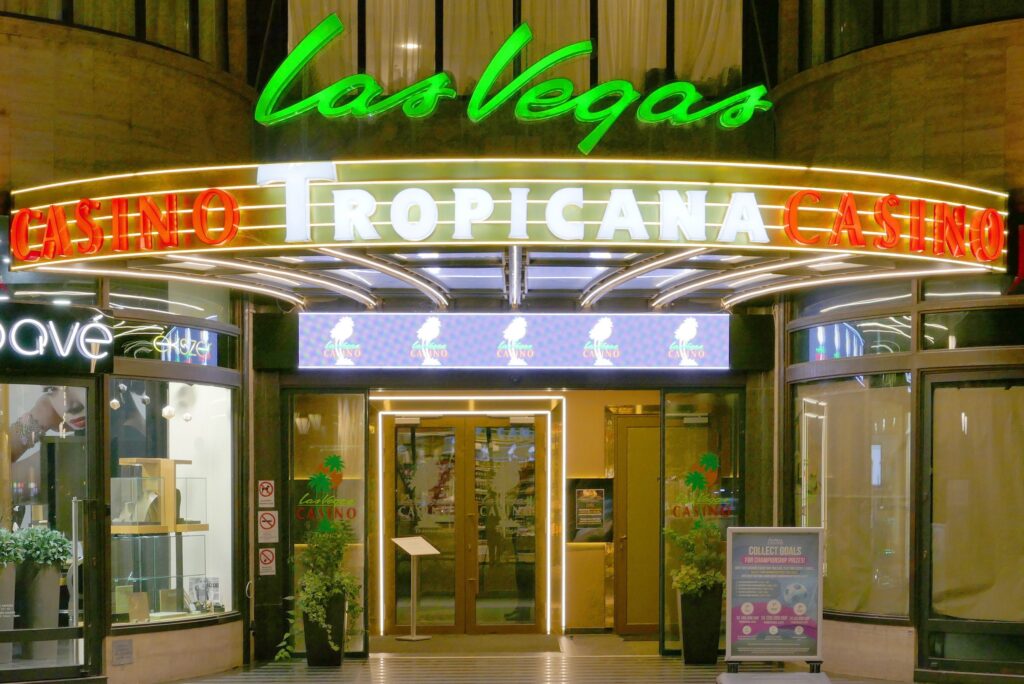
The Concession Legacy That Defines Modern Hungarian Gaming
Hungary’s online casino market operates under one of Europe’s most restrictive licensing frameworks, where digital gambling platforms must secure traditional concessions that mirror the country’s brick-and-mortar casino regulations. This system, established in 2013 and refined through subsequent amendments, creates a unique barrier to entry that has shaped the entire landscape of Hungarian online gambling.
The Hungarian Gaming Authority (Szerencsejáték Felügyelet) maintains tight control over who can operate in the market, with only five major concession holders currently authorized to offer online casino services. This limited pool has created an oligopoly-like environment where established operators dominate market share, while international platforms like National Casino must navigate complex regulatory pathways to serve Hungarian players through alternative licensing jurisdictions.
Unlike neighboring countries that have embraced more liberal online gambling frameworks, Hungary’s approach reflects a cautious stance toward digital expansion of gambling activities. The concession system requires operators to demonstrate substantial financial backing, technical infrastructure, and compliance capabilities before receiving authorization to serve Hungarian residents.
Financial Barriers Create Market Concentration
The financial requirements for obtaining a Hungarian gambling concession are among the steepest in Central Europe. Operators must maintain a minimum share capital of €2.5 million and provide bank guarantees totaling €5 million for comprehensive gambling licenses. These requirements effectively exclude smaller operators and regional gambling companies from entering the market.
According to 2026 data from the Hungarian Gaming Authority, the five licensed operators generated combined gross gaming revenues of €847 million, with online casino activities accounting for approximately 34% of total gambling revenues in Hungary. This concentration has resulted in higher profit margins for existing operators but limited choice for Hungarian consumers.
Dr. Katalin Varga, a gambling economics researcher at Corvinus University Budapest, notes: “The high barrier to entry has created a stable but stagnant market environment. While this protects existing operators and ensures regulatory compliance, it also limits innovation and competitive pricing that typically benefits consumers.”
Technical Infrastructure Requirements Favor Established Players
Beyond financial barriers, Hungary’s concession system mandates extensive technical infrastructure that must be physically located within the country’s borders. All gaming servers, player databases, and transaction processing systems must operate from Hungarian data centers, creating additional operational costs and complexity.
This server localization requirement has proven particularly challenging for international operators seeking to enter the Hungarian market. The regulation stipulates that all random number generation, game outcome determination, and player account management must occur within Hungary’s territorial boundaries, effectively requiring operators to establish local technical operations.
The infrastructure mandate extends to payment processing, where operators must integrate with Hungarian banking systems and comply with local anti-money laundering protocols. These technical requirements have reinforced the market position of existing concession holders who invested in local infrastructure during the initial licensing period.
Cross-Border Gambling Creates Regulatory Tensions
Despite Hungary’s restrictive domestic licensing framework, Hungarian players continue to access international gambling platforms operating under licenses from Malta Gaming Authority, Curacao eGaming, and other EU jurisdictions. Industry estimates suggest that unlicensed international operators capture approximately 40% of Hungarian online gambling activity, creating significant revenue leakage from the regulated market.
The Hungarian government has implemented various measures to combat unauthorized gambling, including payment blocking orders and internet service provider restrictions. However, the effectiveness of these measures remains limited, particularly as Hungarian players increasingly turn to cryptocurrency-based gambling platforms that operate outside traditional financial channels.
Recent enforcement actions have targeted 127 unauthorized gambling websites in 2026, resulting in access restrictions and financial penalties. However, the dynamic nature of online gambling means new platforms continuously emerge to replace blocked sites, creating an ongoing regulatory challenge.
Taxation Structure Reinforces Concession Value
Hungary’s gambling tax structure creates additional incentives for operators to maintain their concession status rather than risk operating without proper authorization. Licensed operators benefit from a structured tax rate of 20% on gross gaming revenue for online casino activities, with additional deductions available for marketing expenses and player bonuses.
Unlicensed operators face potential penalties of up to 200% of estimated revenues if caught operating in Hungary without proper authorization. This penalty structure, combined with the risk of criminal prosecution for company executives, creates strong deterrents against unauthorized market entry.
The tax advantages for licensed operators extend beyond simple rate structures. Concession holders can offset losses from their Hungarian operations against profits from other EU jurisdictions, providing additional financial flexibility that unlicensed operators cannot access.
Revenue Distribution Mechanisms
Licensed operators must contribute 4% of their gross gaming revenues to Hungary’s National Sport Development Fund, creating a direct link between gambling activities and public benefit programs. This contribution requirement has generated approximately €34 million annually for sports development initiatives, providing political justification for maintaining the current regulatory framework.
Technology Innovation Within Regulatory Constraints
The concession system has paradoxically both hindered and encouraged technological innovation within Hungary’s online gambling sector. While the limited number of operators reduces competitive pressure for rapid innovation, the high profit margins available to licensed operators have enabled substantial investment in gaming technology and user experience improvements.
Hungarian-licensed operators have pioneered several technological solutions that comply with local regulatory requirements while maintaining competitive gaming experiences. These include advanced geolocation verification systems, real-time spending limit enforcement, and integrated responsible gambling tools that exceed EU minimum standards.
Márton Szabó, Chief Technology Officer at one of Hungary’s leading licensed operators, explains: “Operating within Hungary’s regulatory framework has forced us to develop more sophisticated compliance technologies. While this increases our operational costs, it also creates competitive advantages when we expand into other regulated markets.”
Market Evolution Pressures and Future Adaptations
Growing pressure from EU digital market regulations and changing consumer preferences are forcing Hungarian regulators to reconsider aspects of the current concession system. The European Commission has raised concerns about market access restrictions that may violate single market principles, particularly regarding the server localization requirements.
Industry observers anticipate potential regulatory modifications in 2027 that could expand the number of available concessions or create alternative licensing categories for specialized gambling products. However, any changes are likely to maintain the core concession framework while potentially reducing some technical barriers to market entry.
The rise of cryptocurrency gambling presents particular challenges for Hungary’s concession system, as traditional regulatory tools prove less effective against blockchain-based platforms. Hungarian authorities are developing new regulatory approaches to address crypto gambling while maintaining the integrity of the existing concession framework.
International Comparison Reveals Unique Position
Hungary’s concession-based approach contrasts sharply with licensing systems adopted by other EU member states. While countries like Germany and Netherlands have implemented more open licensing frameworks that encourage market competition, Hungary has maintained its restrictive approach based on public policy considerations and revenue protection for existing operators.
Comparative analysis shows that Hungarian players face higher average house edges and fewer promotional offers compared to players in more competitive markets. However, they also benefit from enhanced consumer protection measures and more robust responsible gambling support systems that result from the concentrated market structure.
The Hungarian model has influenced gambling regulation discussions in other Central European countries, with Slovakia and Czech Republic considering similar concession-based approaches for their online gambling markets. This regional trend suggests that Hungary’s regulatory framework may become a template for other jurisdictions seeking to balance market liberalization with strict regulatory control.