Greece’s Casino Renaissance: Ellinikon Mega-Project Reshapes Gaming
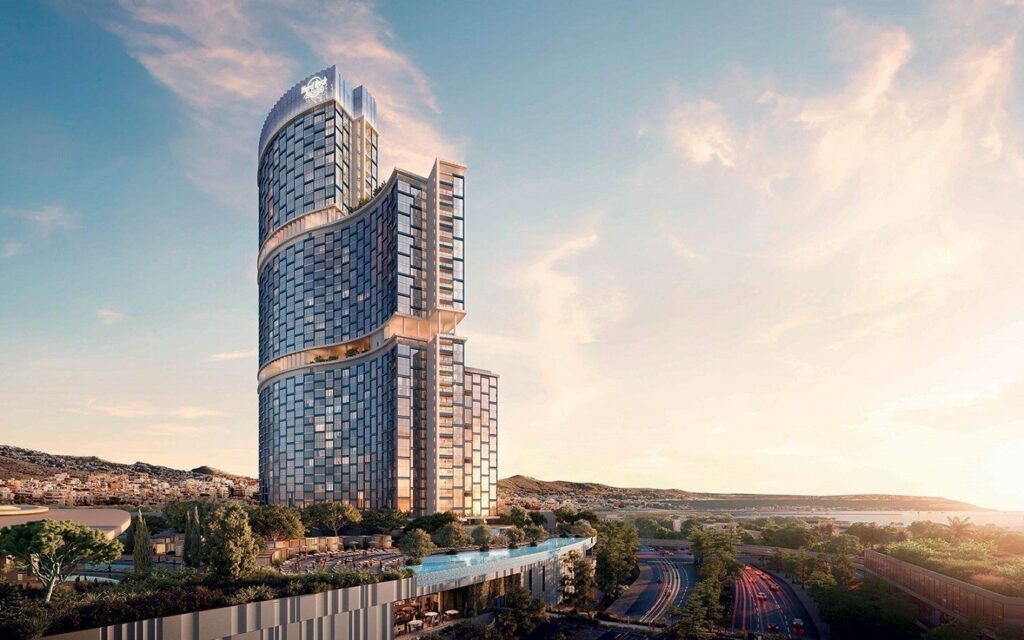
The €8 Billion Gamble That’s Transforming Greek Gaming
Standing on the former site of Athens’ old airport, the Ellinikon development represents more than just Greece’s largest urban regeneration project—it’s positioning the nation as a serious contender in Europe’s competitive casino landscape. With €8 billion in total investment and a planned integrated resort featuring gaming facilities, this mega-project is fundamentally reshaping how Greece approaches regulated gambling, from traditional brick-and-mortar venues to the digital realm where platforms like Bizzo Casino are already capturing Greek players’ attention.
The numbers tell a compelling story. Greece’s gambling market reached €2.3 billion in gross gaming revenue in 2025, with casino gaming accounting for approximately 18% of this figure. The Ellinikon project, scheduled for completion by 2028, is expected to add another €150-200 million annually to the sector, according to preliminary economic impact studies conducted by the Hellenic Gaming Commission.
But this isn’t just about building another casino. The Ellinikon development represents a strategic pivot for Greece—from a country that historically viewed gambling with suspicion to one embracing it as a legitimate tourism and revenue driver. The project’s casino component will span 15,000 square meters, making it the largest gaming facility in the Eastern Mediterranean.
Breaking Down the Ellinikon Casino Blueprint
The gaming facilities within Ellinikon aren’t following the Las Vegas playbook. Instead, they’re designed around what industry insiders call the “Monaco model”—sophisticated, upscale venues that attract high-net-worth individuals and international tourists rather than relying on local mass-market gambling. The casino will feature 120 gaming tables and 1,200 electronic gaming machines, but the real draw lies in its VIP gaming salons and private gaming suites.
“We’re not trying to compete with Macau or Las Vegas on volume,” explains Maria Konstantinou, Senior Gaming Analyst at Athens-based consulting firm Aegean Strategic Partners. “The Ellinikon casino is positioned as a luxury amenity within a broader resort experience. It’s about creating an ecosystem where gaming is just one component of a premium lifestyle destination.”
The facility’s design incorporates cutting-edge technology, including biometric player identification systems and AI-powered responsible gaming monitoring. These features align with Greece’s increasingly stringent regulatory framework, which has evolved significantly since the country began liberalizing its gambling laws in 2019.
Regulatory Revolution: From Prohibition to Proliferation
Greece’s journey toward gambling liberalization has been anything but smooth. For decades, the country maintained some of Europe’s most restrictive gaming laws, with casino gambling largely confined to a handful of state-controlled venues. The 2019 Gaming Act changed everything, opening the door for private operators and establishing a framework for both land-based and online gambling.
The Ellinikon project operates under this new regulatory regime, but it also benefits from special economic zone status that provides additional operational flexibility. The casino operator, Hard Rock International, secured its license through a competitive tender process that evaluated not just financial capacity but also commitment to responsible gaming and local economic development.
Current data shows the impact of liberalization: Greece now hosts 31 licensed casinos, compared to just 9 in 2018. Online gambling licenses have grown from zero to 15 operators, generating €420 million in gross gaming revenue in 2025 alone. The Ellinikon casino, when operational, is projected to capture approximately 12-15% of the country’s total casino market.
Tourism Synergy: Gaming as Economic Catalyst
The strategic genius of integrating casino facilities into Ellinikon lies in its tourism multiplication effect. Greece welcomed 33.2 million tourists in 2025, but the average visitor spent just €680 during their stay. Casino tourism typically generates spending levels 2.5 times higher than conventional tourism, according to data from the European Casino Association.
Ellinikon’s casino is designed to extend average stay duration and increase per-visitor spending through what the industry terms “sticky amenities.” Beyond gaming tables, the complex will include luxury shopping, fine dining, entertainment venues, and conference facilities. This integrated approach mirrors successful models in Singapore and Monaco, where casinos serve as anchor tenants driving broader economic activity.
The project’s location—just 20 minutes from central Athens and directly connected to the new international airport—positions it perfectly to capture transit passengers and extend their stays. Industry projections suggest the casino could attract 400,000 unique visitors annually by its third year of operation, with approximately 60% being international tourists.
Digital Integration: Bridging Physical and Virtual Gaming
While Ellinikon’s physical casino grabs headlines, the project’s digital strategy reveals Greece’s broader ambitions in online gambling. The casino will feature extensive digital integration, including mobile apps for table reservations, cashless gaming systems, and virtual reality gaming experiences that blur the line between online and offline play.
This technological sophistication reflects Greece’s growing comfort with digital gambling platforms. Online casino revenue in Greece grew 34% in 2025, reaching €420 million, while sports betting added another €680 million. The Ellinikon casino’s digital ecosystem is designed to capture players across all channels, offering seamless transitions between online and land-based gaming.
“The future of casino gaming isn’t about choosing between digital and physical—it’s about creating unified experiences that span both worlds,” notes Dr. Andreas Michalopoulos, Director of Gaming Studies at the University of Athens. “Ellinikon represents Greece’s first serious attempt to build this kind of omnichannel gaming destination.”
Economic Impact Beyond the Gaming Floor
The Ellinikon casino’s economic footprint extends far beyond direct gaming revenue. Construction alone has created 2,800 jobs, while permanent operations are expected to employ 1,200 people directly and generate approximately 3,500 indirect jobs across the broader Athens metropolitan area. The Greek government projects total tax revenue from the casino at €35-45 million annually once fully operational.
More significantly, the project is catalyzing broader infrastructure development. The casino’s presence justified additional investment in transportation links, including a new metro extension and expanded bus rapid transit connections. These improvements benefit the entire southern Athens region, creating a development corridor that extends well beyond Ellinikon’s boundaries.
Property values within a 10-kilometer radius of the project have increased by an average of 23% since construction began, according to data from the Hellenic Statistical Authority. This appreciation reflects growing confidence in the area’s transformation from industrial wasteland to premium destination.
Challenges in Paradise: Regulatory and Social Concerns
Despite its promise, the Ellinikon casino project faces significant headwinds. Greek Orthodox Church leaders have voiced strong opposition, arguing that expanded gambling facilities undermine traditional values and exploit vulnerable populations. Public opinion remains divided, with a 2025 survey showing 52% support for the project but 67% expressing concerns about problem gambling.
Regulatory compliance presents ongoing challenges. Greece’s gaming laws require extensive reporting on player behavior, revenue distribution, and social impact measures. The Ellinikon casino must dedicate 0.5% of gross gaming revenue to problem gambling prevention programs and maintain detailed records on all transactions exceeding €1,000.
Environmental concerns also persist. The casino’s energy consumption—estimated at 45 gigawatt-hours annually—has drawn criticism from environmental groups who argue it undermines Greece’s renewable energy goals. The operators have committed to sourcing 70% of power from renewable sources by 2027, but implementation remains uncertain.
Global Context: Greece’s Position in European Gaming
The Ellinikon project positions Greece within a highly competitive European casino market worth approximately €12.8 billion annually. The country faces direct competition from established gaming destinations like Monaco, Malta, and Cyprus, each offering distinct advantages in terms of regulation, taxation, or market access.
Greece’s competitive edge lies in its unique combination of cultural heritage, natural beauty, and increasingly sophisticated infrastructure. Unlike purely artificial gaming destinations, Ellinikon leverages Athens’ historical significance and Mediterranean appeal to create what industry analysts term “experiential gaming”—where the casino enhances rather than defines the destination experience.
The project’s success could inspire similar developments across Greece. Regional authorities in Thessaloniki, Patras, and Crete have all expressed interest in integrated resort projects, potentially creating a network of gaming destinations that could rival established markets. However, this expansion depends heavily on Ellinikon’s performance and continued political support for gambling liberalization.
As Greece prepares for the Ellinikon casino’s 2028 opening, the project represents more than just another gaming venue—it’s a test case for the country’s broader economic modernization efforts. Success could establish Greece as a serious player in European gaming tourism, while failure might reinforce conservative attitudes toward gambling expansion. Either way, the stakes couldn’t be higher for Greece’s gaming future.