Mobile Gaming Revolution Fuels Greece’s Casino Renaissance
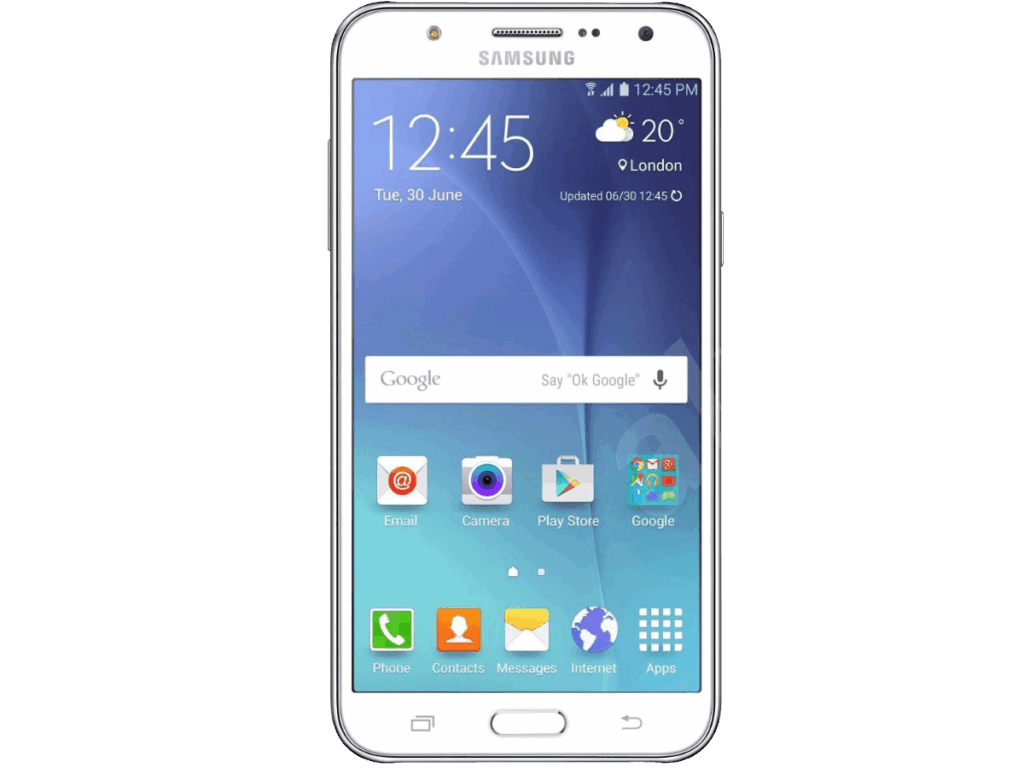
The Smartphone-Driven Transformation of Greek Gaming
Greece’s online casino market has experienced a remarkable metamorphosis since the country’s regulatory framework modernized in 2020. The catalyst? Mobile gaming adoption rates that have skyrocketed to 78% among Greek players as of 2026, according to the Hellenic Gaming Commission’s latest quarterly report. This mobile-first approach has fundamentally altered how operators design their platforms and market their services.
The shift represents more than just technological convenience. Greek players now spend an average of 2.3 hours daily on mobile casino applications, with peak usage occurring during commute hours and lunch breaks. This behavioral pattern has prompted operators to optimize their offerings for quick, engaging sessions rather than the traditional lengthy desktop experiences that dominated the pre-mobile era.
Leading platforms have responded by creating sophisticated mobile experiences that rival their desktop counterparts. Bizzo Casino exemplifies this trend, offering a streamlined mobile interface that maintains full functionality while prioritizing speed and user experience. The platform’s mobile-optimized games load 40% faster than industry averages, addressing the primary concern of Greek mobile users: connection reliability.
Regulatory Adaptation Enables Mobile Innovation
The Hellenic Gaming Commission’s progressive stance on mobile gaming has created fertile ground for innovation. New regulations introduced in early 2026 specifically address mobile-unique features such as push notifications, location-based services, and biometric authentication. These guidelines have eliminated previous gray areas that hindered operator investment in mobile-specific technologies.
“The regulatory clarity we’ve achieved in Greece is unprecedented in the European market,” explains Maria Konstantinou, Director of Digital Gaming Policy at the Athens Institute of Technology. “Operators now have clear guidelines for implementing features like facial recognition login and GPS-based responsible gaming tools, which has accelerated mobile platform development significantly.”
This regulatory environment has attracted international operators who view Greece as a testing ground for mobile innovations before expanding to larger European markets. The country’s compact geography and high smartphone penetration rate make it an ideal laboratory for mobile gaming technologies.
Revenue Streams Reshape Around Mobile Preferences
Mobile gaming has fundamentally altered Greece’s online casino revenue structure. Slot games, traditionally the backbone of online casino revenue, now account for 68% of mobile gaming income compared to 45% on desktop platforms. This shift reflects mobile users’ preference for quick, visually engaging games that can be played in short bursts.
The average mobile session duration in Greek online casinos has decreased to 18 minutes, down from 35 minutes in 2024, yet session frequency has increased by 127%. This pattern has forced operators to redesign their retention strategies, focusing on frequent small rewards rather than large, infrequent bonuses.
Live dealer games have also adapted to mobile preferences, with providers developing portrait-mode interfaces and simplified betting controls. Revenue from mobile live dealer games increased 89% year-over-year in 2026, driven primarily by younger demographics who prefer the social aspect of live gaming combined with mobile convenience.
Technology Infrastructure Drives Market Growth
Greece’s telecommunications infrastructure improvements have been crucial to mobile casino expansion. The nationwide 5G rollout, completed in major urban areas by late 2025, has reduced average game loading times to under 3 seconds. This technical advancement has eliminated one of the primary barriers to mobile casino adoption: lag and connectivity issues.
Progressive Web App (PWA) technology has gained particular traction in the Greek market, with 73% of mobile casino users preferring PWAs over native applications. This preference stems from storage concerns on older devices and the seamless update process that PWAs provide. Operators have invested heavily in PWA development, creating experiences that feel native while maintaining the flexibility of web-based platforms.
Cloud gaming integration represents the next frontier, with several operators testing streaming-based casino games that require minimal device processing power. Early trials show promise, particularly for graphically intensive slot games that previously struggled on mid-range smartphones.
Demographic Shifts Reshape Player Profiles
Mobile gaming has dramatically altered Greece’s online casino demographics. The average player age has decreased from 42 to 35 years old since 2024, with the 25-34 age group now representing 41% of active mobile casino users. This younger demographic brings different expectations: faster gameplay, social features, and integration with digital payment methods.
Female participation in online casino gaming has increased 156% since mobile platforms became dominant, reaching 38% of total players. This growth correlates strongly with mobile accessibility and the introduction of themed slot games that appeal to broader audiences beyond traditional casino demographics.
“Mobile has democratized casino gaming in Greece,” notes Dr. Andreas Papadopoulos, a behavioral economist at the University of Athens who studies gambling patterns. “We’re seeing participation from demographics that never visited physical casinos or even desktop gambling sites. The convenience factor has removed traditional barriers to entry.”
Payment Innovation Accelerates Mobile Adoption
Mobile payment integration has been instrumental in Greece’s online casino growth. Digital wallet adoption among casino players reached 84% in 2026, with Apple Pay and Google Pay leading the market. The average deposit time has decreased to 12 seconds for mobile payments compared to 3-4 minutes for traditional banking methods.
Cryptocurrency integration has also gained momentum, with 23% of mobile casino players using digital currencies for transactions. This trend aligns with Greece’s broader acceptance of cryptocurrency, supported by favorable regulatory positions from both gaming and financial authorities. Bitcoin and Ethereum remain the most popular options, though stablecoin usage has increased 340% year-over-year as players seek volatility protection.
The rise of Buy Now, Pay Later (BNPL) services in mobile casino gaming represents an emerging trend, though regulatory scrutiny remains high. Several operators are piloting BNPL integration with strict spending limits and enhanced responsible gaming controls.
Competitive Landscape Intensifies Through Mobile Innovation
The mobile-driven expansion has intensified competition among operators in Greece. Market share fluctuations have become more dramatic, with mobile user acquisition costs increasing 67% since 2025. Operators are investing heavily in app store optimization, influencer partnerships, and mobile-specific promotional campaigns to capture market share.
Gamification features have become essential differentiators, with successful operators implementing achievement systems, leaderboards, and social sharing capabilities. These features increase player engagement by an average of 43% and significantly improve retention rates beyond the critical 30-day mark.
Cross-platform integration has emerged as a key competitive advantage, allowing players to seamlessly transition between mobile and desktop experiences while maintaining progress and preferences. Operators offering robust cross-platform functionality report 28% higher customer lifetime values compared to mobile-only competitors.
Future Trajectories and Market Predictions
Industry analysts project Greece’s mobile casino market will reach €2.8 billion by 2028, representing 85% of total online casino revenue. This growth trajectory positions Greece among Europe’s fastest-growing mobile gaming markets, despite its relatively small population.
Artificial intelligence integration in mobile platforms represents the next major evolution. Predictive analytics for responsible gaming, personalized game recommendations, and automated customer service are already being tested by leading operators. These technologies promise to enhance user experience while addressing regulatory requirements for player protection.
Virtual and augmented reality integration remains in early stages but shows promise for premium mobile devices. Several operators are developing VR-compatible mobile experiences that could revolutionize live dealer games and create entirely new gaming categories tailored for mobile consumption.